Vuoden 2026 FIFA-maailmanmestaruuskilpailujen 4K HDR -lähetysten vertailu: mikä alusta tarjoaa parhaan kuvanlaadun
Vuoden 2026 jalkapallon MM-kisat 4K HDR -muodossa — mitä uutta?
Mitä kulissien takana oikeasti tapahtuu
48 joukkuetta. 104 ottelua. Kolme isäntämaata. Jokainen ottelu kuvataan FIFA:n Host Broadcast Services -yksikön toimesta jopa 45 kameralla ottelua kohden, ja kuvamateriaali toimitetaan useina eri resoluutioina.
FIFA:n IBC-teknisen erittelyn mukaisesti kaksi pääkuvaa — Extended Stadium Feed (ESF) ja Clean Stadium Feed (CSF) — tuotetaan alkuperäisessä UHD-HDR 2160p/59,94 BT.2100 -muodossa. Kaikki muut syötteet ja erilliset kamerat ovat 1080p/59,94 HDR -muodossa. Juju on siinä, että vain ESF- ja CSF-syötteet jaetaan lähetystoiminnan harjoittajille natiivina 2160p-muodossa – minkä vuoksi jotkut alustat saavat aitoa 4K-kuvaa, kun taas toiset käyttävät skaalattua kuvaa.
Tässä on se seikka, joka useimmilta jää huomaamatta. Kaikki lähetystoiminnan harjoittajat eivät saa samaa lähetyssignaalia, eivätkä kaikki käsittele sitä samalla tavalla. Jotkut lähettävät alkuperäisen 4K-signaalin sellaisenaan. Toiset ottavat 1080p HDR -masterin ja skaalaavat sen 4K:ksi – tulokset vaihtelevat vaikuttavista “miksi ruoho näyttää vihreältä keitolta” -tasoisiksi. Muutamat käyttävät lisäksi korkealaatuisia äänikoodekkeja ja älykkäämpää HDR-käsittelyä.
Alkuperäisen 4K-kuvan ja puhtaan skaalauksen – puhumattakaan huolimattomasta skaalauksesta – välinen ero on suurempi kuin useimmat katsojat ymmärtävät. Ja “4K”-tunnuksen ostaminen, joka peittää keskinkertaisen käsittelyketjun, on suoraan sanottuna yleisempää kuin sen pitäisi olla.
Miksi HDR on oikeastaan tärkeää (tärkeämpää kuin resoluutio)
Tässä on rehellinen totuus: jalkapallon kannalta HDR on tärkeämpää kuin 4K.
Jalkapallokenttä on suuri — yli 7 000 neliömetriä. Pitkä syöttö kulkee 60 metriä kahdessa tai kolmessa sekunnissa. Ja valaistus on sekasotku. Toinen rangaistusalue on täydessä auringonpaisteessa. Toinen pääty on varjossa. Keskikiekko saa molempia yhtä aikaa.
Tavallinen dynaaminen alue ei riitä tähän. Se tasoittaa kaiken. Tuloksena on tasainen, harmahtava kuva, jossa pallo katoaa yleisön sekaan laajakulmakuvissa. HDR korjaa tämän. Se säilyttää kirkkaat kohdat kirkkaina ja tummat kohdat tummina – samassa kuvassa. Voit seurata pallon liikkeitä ruuhkaisella rangaistusalueella. Voit lukea pelipaitojen numerot ilman, että kameraa tarvitsee zoomata.
HDR on ollut osa jalkapallon MM-kisojen tuotantostandardia jo Venäjän MM-kisoista 2018 lähtien, ja siitä tuli yhtenäinen kuvausformaatti kaikille 64 ottelulle Qatarin MM-kisoissa 2022. Vuonna 2026 mennään kuitenkin vielä pidemmälle: ensimmäistä kertaa Dolby Vision liittyy HLG:n rinnalle lähetysvaihtoehtona HDR10:n ohella, mikä tekee tästä kaikkien aikojen monipuolisimman HDR-turnauksen. Ja rehellisesti sanottuna? Pelkästään tämä HDR-päivitys on silmille suurempi asia kuin siirtyminen HD:stä 4K:hon.
Neljä ehdokasta lyhyesti
Neljä alustaa tarjoaa virallista MM-kisojen lähetystä HDR-tekniikalla ja korkealla resoluutiolla. Tekniset tiedot näyttävät paperilla samanlaisilta, mutta lähetysprosessit eivät ole. Tässä on lyhyt katsaus siihen, mitä kukin alusta tosiasiassa tarjoaa:
| Alusta | Päätöslauselma | HDR-muoto | Ääni | Kuvataajuus | Kieli | Hinta |
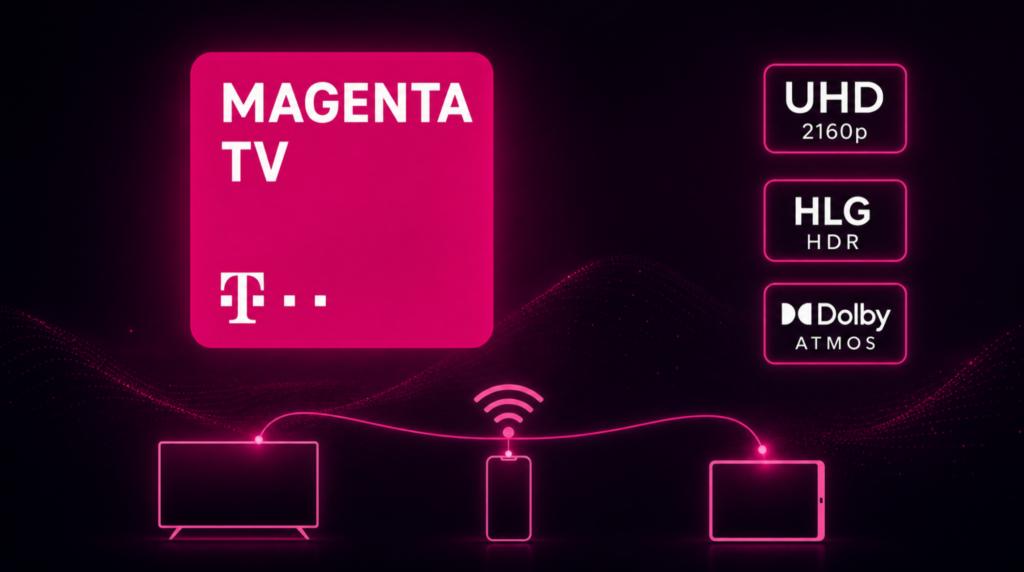
| FUSSBALL TV 1 (MagentaTV) | UHD 2160p | Dolby Vision / HLG | Dolby Atmos | 50 kuvaa sekunnissa | saksa, monikielinen | ~8,25 €/kk |
| Peacock (Telemundo) | 4K / 1080p HDR | Dolby Vision | Dolby Atmos (AC-4) | 59,94 kuvaa sekunnissa | espanja | Premium Plus |
| FOX ONE | 4K (skaalattu) | HDR10 | Surround | 59,94 kuvaa sekunnissa | englanti, espanja | $ 19,99/kk |
| BBC iPlayer | UHD | HLG | Stereo | 50 kuvaa sekunnissa | englanti | Ilmainen* |
Lyhyesti sanottuna: kaikissa neljässä on 4K-merkki. Sen merkin takana piilee kuitenkin enemmän eroja kuin luulisi.
Syväanalyysi — Mikä alusta todella voittaa?
FUSSBALL TV 1 — Vahva paketti, mutta ei täydellinen
FUSSBALL TV 1 on Deutsche Telekomin jalkapallon MM-kisoille omistettu kanava, joka on lanseerattu yhtiön MagentaTV-alustan kautta. Se on täällä kattavin paketti.
Kanava lähettää UHD-kuvaa 50 kuvaa sekunnissa – mikä on eurooppalainen lähetysstandardi. HDR-tuki perustuu Dolby Vision- ja HLG-tekniikoihin, minkä ansiosta MagentaTV on Saksan ensimmäinen alusta, joka lähettää suuren jalkapalloturnauksen Dolby Vision -tekniikalla. HLG takaa taaksepäin yhteensopivuuden: jos televisiosi ei tue HDR:ää, kuva näkyy silti normaalisti. Jos televisio tukee HDR:ää, saat käyttöösi koko dynaamisen alueen.
Ääni toistetaan Dolby Atmos -formaatissa, jonka väitetään sijoittavan yleisön huudot, erotuomarin pillin ja pallon osuman tolppaan kolmiulotteiseen tilaan. Teoriassa se on huippuluokan vaihtoehto. Käytännössä katsojien palautteet ovat olleet vaihtelevia: toiset ylistävät mukaansatempaavaa äänikenttää, kun taas toiset huomauttavat, että todellinen dynaaminen alue ja stadionin tunnelma eivät yllä siihen, mitä Atmos-merkki lupaa. Kun liität laitteeseen kunnollisen soundbarin tai vahvistimen, se on varmasti askel eteenpäin tavalliseen surround-ääneen verrattuna – älä kuitenkaan odota, että ero olisi joka ottelussa kuin yö ja päivä.
Laitetuki on vankkaa, mutta sillä on rajoituksia. MagentaTV toimii Apple TV 4K:lla, Amazon Fire TV Stickillä, Google Chromecastilla sekä Samsungin, Sonyn ja Philipsin älytelevisioilla. Roku-laitteita ei tueta. Huomionarvoista on myös se, että UHD-toisto on rajoitettu tiettyihin laitteisiin – Telekomin omiin MagentaTV Stick- ja MagentaTV One -vastaanottimiin sekä Apple TV 4K:hon. Fire TV:n tai älytelevisioiden sovelluksissa saatat joutua tyytymään HD-laatuun, vaikka sinulla olisi UHD-tilaus.
Yhteenveto: vahva monipuolinen laite, jossa on Dolby Vision ja Atmos kohtuulliseen hintaan. On kuitenkin syytä huomioida, että äänenlaatu ei aina vastaa Atmos-merkintää, ja UHD-toisto on sidottu tiettyyn laitteistoon.
Peacock — edelleen vertaansa vailla oleva elokuva
Peacock on yksi kahdesta tässä vertailussa mukana olevasta alustasta, jotka tarjoavat Dolby Vision -tekniikkaa — toinen on MagentaTV:n FUSSBALL TV 1. Pelkkä Dolby Vision ei kuitenkaan riitä. Tärkeintä on se, miten sitä hyödynnetään, ja NBCUniversal on hienosäätänyt tuotantoprosessinsa poikkeuksellisen hyvin.
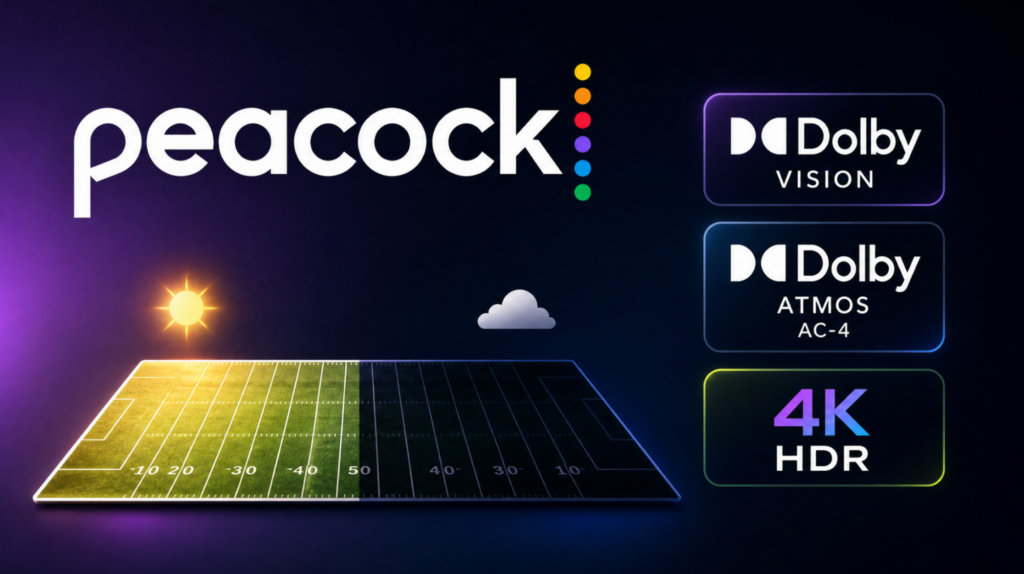
Sekä HLG että HDR10 käyttävät staattisia metatietoja – koko otteluun sovelletaan yhtä kirkkauskäyrää. Dolby Vision käyttää dynaamisia metatietoja. Se säätää kirkkautta ja värejä kohtauksittain. Joskus jopa ruutu ruudulta.
Jalkapallon kannalta tällä on todellakin merkitystä. Pilvet lipuvat stadionin yli. Hämärän laskeutuessa valonheittimet ottavat ohjat käsiinsä. Auringon kulma muuttuu 90 minuutin aikana. Staattisessa HDR-tekniikassa on valittava yksi kompromissiasetus ja tyydyttävä siihen. Dolby Vision sopeutuu valon muuttuessa. Näet yksityiskohdat sekä kentän aurinkoisella puolella että varjoisalla puolella samanaikaisesti.
Dolby ja NBCUniversal ovat viettäneet yli vuoden tämän tuotantoketjun hienosäätämiseen suorien urheilulähetysten tarpeisiin. Se näkyy.
Äänenlaatu on yhtä hyvä. Peacock käyttää Dolby Atmos -tekniikassa AC-4-koodekkia — tämä on ensimmäinen kerta, kun suuri suoratoistopalvelu ottaa AC-4:n kaupalliseen käyttöön. Ääni on mukaansatempaava, eikä se kuormita kaistanleveyttäsi.
Huomionarvoista on, että Peacockin premium-kanavalla lähetetään Telemundon espanjankielinen selostus. Jos haluat englanninkielisen selostuksen, FOX ONE on vaihtoehto. Kuvan ja äänen laadun suhteen Peacock ja MagentaTV ovat kaksi suurta tekijää – mutta Peacockin AC-4 Atmos -toteutus ja NBCUniversalin vuoden kestänyt lähetyssignaalin hienosäätö antavat sille pienen etulyöntiaseman vaativalle katsojalle.
FOX ONE — Kätevä, mutta ei tarkkuuden kuningas
FOX ONE on Fox Sportsin suoratoistosovellus. Hinta on 20 dollaria kuukaudessa. Mukana kaikki 104 ottelua. Englanninkielinen selostus. Kaapeliboksia ei tarvita.
Monille amerikkalaisille kotitalouksille se on ainoa päätös, joka tehdään. Se on ylivoimaisesti helpoin tapa seurata jalkapallon MM-kisoja.
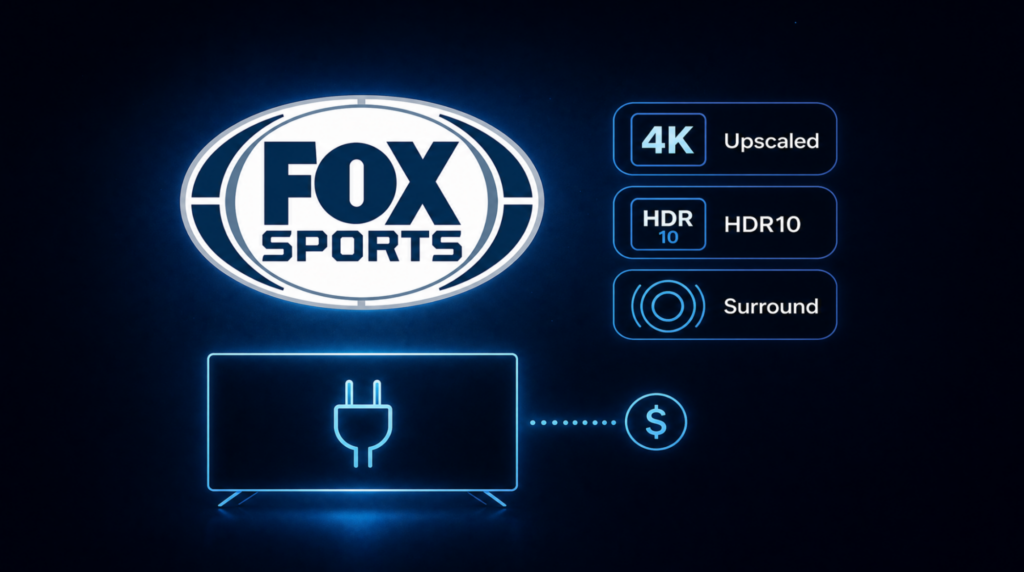
Mutta tässä on se, mitä todellisuudessa saat. FOX ONE:n 4K-lähetys on skaalattu ylöspäin 1080p HDR10 -lähteestä. Skaalaus lisää pikseleitä reaaliajassa, ja kuva on terävämpi kuin tavallisessa HD-laadussa. Kyseessä ei ole alkuperäinen 4K-kuva. Jos istut lähellä suurta näyttöä, huomaat tämän.
HDR10 on hyvä. Se on HDR-standardien perusmuoto. Yksi kirkkausasetus koko ottelulle. Hallittu valaistus pimeässä huoneessa? Näyttää hyvältä. Vaihtelevat olosuhteet iltapäivällä pelattavassa ottelussa? Se toimii, mutta siitä puuttuu Dolby Visionin tarkkuus.
Ääni on surround-ääntä — FOX tarjoaa monikanavaisen miksauksen, joka luo kohtuullisen tilantunteen. Se ei ole yhtä tarkka kuin FUSSBALL TV 1:n tai Peacockin objektipohjainen Atmos, mutta useimmissa soundbar- ja televisiokaiutinjärjestelmissä se täyttää tehtävänsä.
Yhteenvetona: FOX ONE voittaa helppokäyttöisyydellä. Amerikkalaisille katsojille sen asennus on helpointa ja käyttö tutuinta. Älä kuitenkaan sekoita helppokäyttöisyyttä parhaaseen kuvanlaatuun.
BBC iPlayer — Ilmainen, mutta maksat siitä muilla tavoin
BBC iPlayer on tässä ainoa ilmainen vaihtoehto. Jos sinulla on brittiläinen TV-lisenssi, et maksa mitään ylimääräistä. 104 ottelusta 54:ssä saat UHD-laadun HLG HDR -tekniikalla. Kuvanlaatu on yksi tämän vertailun parhaista — katsojien ensimmäisten raporttien mukaan BBC:n UHD-lähetys hyötyy runsaasta bittinopeudesta, ja hyvällä OLED-näytöllä kuva on terävä ja eloisa.
Tässä on se kompromissi.
Ensinnäkin: ääni. iPlayerin UHD-lähetys on pelkästään stereoa. Ei 5.1. Ei Atmos. Stereo. Tässä on se outo juttu – jos vaihdat Freeview- tai Sky-palvelun tavalliseen 1080i-lähetykseen, saat Dolby Digital 5.1 -äänen. Joten kun katsot iPlayerissa “paremmalla” laadulla, äänenlaatu itse asiassa heikkenee. Se kirvelee.
Toiseksi: viive. iPlayer UHD -lähetys on selvästi jäljessä suorasta lähetyksestä — viive vaihtelee 15 sekunnista puoleen minuuttiin yhteytesi nopeudesta riippuen. Naapurisi hurraa. Sinä odotat. Sitten maali näkyy ruudulla. Se on todella ärsyttävää pudotuspeleissä.
iPlayer on ilmeinen valinta, jos budjetti on etusijalla. Se hoitaa hommansa. Sen käyttö edellyttää kuitenkin kahden sellaisen kompromissin hyväksymistä, joita maksullisilla alustoilla ei tarvitse tehdä — ja tämä on hyvä tietää jo etukäteen.
Tähtiluokitus-arviointitaulukko
Tässä on neljän vertailu kategorioittain:
| Luokka | FUSSBALL TV 1 | Riikinkukko | FOX ONE | BBC iPlayer |
| Resoluution tarkkuus | ★★★★☆ | ★★★★☆ | ★★★☆☆ | ★★★★☆ |
| HDR-laatu | ★★★★★ | ★★★★★ | ★★★☆☆ | ★★★☆☆ |
| Äänimaailmaan uppoutuminen | ★★★★☆ | ★★★★★ | ★★★☆☆ | ★★☆☆☆ |
| Laitteiden yhteensopivuus | ★★★★☆ | ★★★★☆ | ★★★★☆ | ★★★☆☆ |
| Hinta-laatusuhde | ★★★★☆ | ★★★★☆ | ★★★☆☆ | ★★★★★ |
Laitteiden yhteensopivuus — Tukeehan laitteistosi 4K HDR:ää?
Laitteiden tarkistuslista
- Apple TV 4K ja Fire TV Stick 4K ovat varma valinta kaikissa tilanteissa — kaikki neljä alustaa tukevat niitä.
- Roku on yhteensopiva FOX ONE:n, Peacockin ja BBC iPlayerin kanssa, mutta ei MagentaTV:n FUSSBALL TV 1:n kanssa.
- Android TV / Google TV tukee FOX ONE-, Peacock- ja BBC iPlayer -palveluita; MagentaTV:n tuki vaihtelee alueittain.
- Samsungin ja LG:n älytelevisioissa on sisäänrakennetut sovellukset FOX ONE:lle, Peacockille ja BBC iPlayerille; MagentaTV tukee suoraan Samsungin ja Sonyn älytelevisioita.
Yksi varoitus: BBC iPlayerin UHD-palvelu on saatavilla vain sallittujen laitteiden luettelossa oleville laitteille. Jos laitettasi ei ole BBC:n hyväksymässä luettelossa, joudut tyytymään 1080p-tarkkuuteen riippumatta siitä, kuinka nopea internetyhteytesi on. Tarkista asia ennen ottelun alkua.
Kuinka nopea internetyhteys sinun todella tarvitsee olla?
25 megabittiä sekunnissa. Se on 4K HDR:n käytännön alaraja.
Tavoittele vähintään 30:tä. Miksi? Koska kun kaikki naapurustossasi alkavat katsella samaa pudotuspelimatsia, yhteytesi kuormittuu. Jos nopeutesi laskee alle 25:n, lähetys laskee huomaamatta 1080p SDR -tarkkuuteen. Et ehkä edes huomaa sitä, ennen kuin laajakulmaotoksessa kuva näyttää pehmeämmältä kuin sen pitäisi.
Testaa vauhtiasi alkusarjan ottelussa. Jos se pysyy samana, olet valmis pudotuspeleihin.
HDMI 2.0 vs. 2.1
HDR10- tai HLG-tilaan 4K-tarkkuudella ja 60 fps:n kuvataajuudella riittää mainiosti HDMI 2.0.
Jos käytät Peacockin Dolby Vision -toimintoa ja Atmos-äänen läpivientiä vahvistimeen, HDMI 2.1 on turvallisempi valinta. Totta puhuen HDMI 2.0 ja eARC riittävät kuitenkin useimpiin kokoonpanoihin.
Todellinen ansa piilee television liitäntöissä. Monissa televisioissa täysi HDR-kaistanleveys on käytettävissä vain tietyissä HDMI-tuloissa — jotka on yleensä merkitty nimellä “HDMI 1 (4K HDR)” tai vastaavalla. Jos kytket laitteen väärään liitäntään, menetät HDR-tuen huomaamattasi. Tarkistaminen vie vain viisi sekuntia.
Mirror World Cup -lähetykset mihin tahansa televisioon 1001 TVs:n avulla
Ongelma, jonka 1001 TVs ratkaisee
Olet valinnut alustan. Internet-yhteytesi on riittävän nopea. Televisiosi tukee 4K HDR -tekniikkaa.
Sitten huomaat, että palvelun sovellus ei ole televisiossasi. Tai olet ystävän luona. Tai haluat katsoa ottelun projektorilla.
Tässä kohtaa 1001 TVs tulee apuun. Sovellus peilaa puhelimesi, tabletisi tai kannettavan tietokoneesi näytön sisällön mihin tahansa paikallisverkossasi olevaan näyttöön. Ei kaapeleita. Ei ylimääräisiä laitteita. Ei pilvipohjaista pakkausta.
Kolme tapaa hyödyntää 1001 TVs-taktiikkaa jalkapallon MM-kisojen aikana
Puhelin olohuoneen televisioon. Tilaat Peacockin Dolby Visionin takia. Televisiosi on liian vanha, joten siihen ei voi asentaa Peacock-sovellusta. Peilaa puhelimesi näyttö 1001 TVs:n avulla. Ottelu näkyy suurella näytöllä, ja ääni kuuluu moitteettomasti.
Kannettava tietokone ja projektori katselutilaisuuksia varten. Avaa suoratoisto kannettavallasi ja peilaa sitten koko näyttö tai valittu ikkuna 1001 TVs Screen Mirroring -toiminnolla yhteensopivaan projektoriin tai vastaanottolaitteeseen. Näin kaikki pääsevät nauttimaan suuremmasta kuvasta ilman HDMI-kaapelia.
Usean huoneen synkronointi. Haluatko katsoa ottelua samanaikaisesti olohuoneessa ja keittiössä? Käytä 1001 TVs:n ’Receive Screen” -ominaisuutta. Lähetä sisältöä yhdestä lähteestä useille vastaanottaville laitteille ympäri taloa. Huoneiden välillä ei ole viivettä.
Miksi paikallinen ratkaisu on parempi kuin pilvipalvelu
Useimmat suoratoistopalvelut reitittävät videovirran jonkin internetissä sijaitsevan palvelimen kautta. Jokainen välipiste lisää viivettä ja pakkausta. 1001 TVs pysyy kokonaan Wi-Fi-verkossasi. Signaali ei koskaan poistu kodistasi. Tämä tarkoittaa, ettei pakkaushäiriöitä heikennä 4K-kuvaasi. Ei puskurointia, vaikka pilvipalvelin olisi ruuhkainen. Vain se suoratoisto, josta olet maksanut, juuri sillä näytöllä, jolla haluat.
UKK — Nopeita vastauksia yleisiin kysymyksiin
Mitkä alustat ovat ilmaisia?
BBC iPlayer. Siinä se. Se tarjoaa 54 ottelua UHD-laadulla ja HLG HDR -tekniikalla. Tarvitset Ison-Britannian televisioluvan.
Kaikki muu maksaa rahaa. FUSSBALL TV 1 maksaa MagentaTV:n kautta noin 8,25 €/kk (uudet asiakkaat saavat ensimmäiset kuusi kuukautta ilmaiseksi). Peacockissa tarvitaan Premium Plus -tilaus, jotta voi katsoa Dolby Vision -lähetyksiä. FOX ONE maksaa $19,99/kk, ja siihen kuuluu kolmen päivän kokeilujakso.
Tarkista tarjouspaketit ennen tilaamista. Alustat tarjoavat toisinaan erikoistarjouksia juuri ennen suurta turnausta.
Kuinka paljon kaistanleveyttä tarvitaan?
Vähintään 25 Mbps vakaaseen 4K HDR -kuvaan. Vähintään 30 Mbps Dolby Vision -sisältöön ja Atmos-ääneen Peacock-palvelussa.
Jos yhteytesi nopeus laskee kynnysarvon alle ottelun aikana, lähetys vaihtuu huomaamatta 1080p SDR -tarkkuuteen. Testaa yhteys jo alkusarjan aikana. Älä odota, että kaistanleveysongelma tulee esiin vasta välierissä.
Voiko HDR-sisältöä katsella ilman 4K-televisiota?
Ei. HDR toimii 4K-signaalin avulla. Televisiossasi on oltava molemmat.
HLG-tuki löytyy käytännössä kaikista vuodesta 2018 lähtien valmistetuista 4K-televisioista. Sama pätee myös HDR10:een. Dolby Visionin tuki ei ole yhtä yleistä – tarkista laitteesi malli ennen kuin tilaat Peacockin nimenomaan tämän ominaisuuden vuoksi.
Entä maantieteellinen rajoittaminen?
Lähetysoikeudet ovat aluekohtaisia. VPN voi auttaa — mutta jotkut alustat tunnistavat ja estävät aktiivisesti VPN-yhteyksiä.
BBC iPlayer tarkistaa, onko käyttäjän IP-osoite Yhdistyneestä kuningaskunnasta ja onko hänellä televisiolupa. FOX ONE ja Peacock tarkistavat, onko käyttäjän IP-osoite Yhdysvalloista. Jos olet matkalla, testaa VPN-yhteytesi jo alkusarjan aikana. Et kai halua joutua selvittämään yhteysongelmia juuri silloin, kun pudotuspelit alkavat.
Lopullinen päätös
Pelkästään kuvan ja äänen vuoksi: Peacock. Dolby Vision ja Dolby Atmos AC-4. Se on turnauksen kuvaltaan ja ääneltään paras lähetys. Sinun täytyy vain sietää espanjankielistä selostusta.
Paras kokonaispaketti: FUSSBALL TV 1. Dolby Vision ja HLG HDR sekä Dolby Atmos. Kaikki 104 ottelua. Kohtuullinen hinta. Ääni ei aina täytä Atmos-lupauksiaan, ja laitteistosta johtuvia rajoituksia on, mutta kokonaisuutena pakettia on vaikea voittaa saksankielisille katsojille.
Paras ilmainen vaihtoehto: BBC iPlayer. Ei ylimääräisiä kustannuksia. 54 ottelua UHD-laadulla ja HLG HDR -tekniikalla, ja kuvanlaatu on erinomainen runsaan bittinopeuden ansiosta. Stereoääni ja lähetyksen viive ovat ärsyttäviä, mutta ilmaista ei voita mikään.
Yhdysvaltalaisille katsojille, jotka haluavat mahdollisimman helpon asennuksen: FOX ONE. 20 dollaria kuukaudessa. Kaikki 104 ottelua englanniksi. Ei kaapelitelevisiota. Ei sopimuksia. Kuvanlaatu ei ole alan paras, mutta palvelun käyttöönotto kestää noin kolme minuuttia.
Ja vielä yksi asia. Maailman paras lähetys ei merkitse mitään puhelimen näytöllä. Hanki 1001 TVs osoitteesta 1001tvs.com ja näytä jokainen ottelu omalla suurimmalla näytölläsi — ilman kaapeleita, ilman pakkausta, ilman kompromisseja. kentällä, mutta käyttöönottoon menee noin kolme minuuttia.

Lue lisää
 Kuinka katsoa NBA:ta televisiosta Yhdysvalloissa
NBA-otteluiden katsominen televisiosta Yhdysvalloissa on helpointa, kun teet kaksi päätöstä tässä järjestyksessä: ensinnäkin tarkista, mikä valtuutettu palveluntarjoaja välittää...
Kuinka katsoa NBA:ta televisiosta Yhdysvalloissa
NBA-otteluiden katsominen televisiosta Yhdysvalloissa on helpointa, kun teet kaksi päätöstä tässä järjestyksessä: ensinnäkin tarkista, mikä valtuutettu palveluntarjoaja välittää...
 Kuinka peilata näyttö Sony Bravia -televisioon (Google TV)
Sony Bravia Google TV ei käytä yhtä yleistä “Screen Mirroring” -menetelmää kaikille puhelimille ja tietokoneille. Oikea valinta riippuu sekä...
Kuinka peilata näyttö Sony Bravia -televisioon (Google TV)
Sony Bravia Google TV ei käytä yhtä yleistä “Screen Mirroring” -menetelmää kaikille puhelimille ja tietokoneille. Oikea valinta riippuu sekä...

